


How do the Materials in Your Home Affect Indoor Air Quality and Your Health?
February 13, 2026
Most of us imagine home as a sanctuary — a place where we can relax, breathe deeply, and feel safe. However, the air quality inside our homes can sometimes be more polluted than the air outdoors. According to the U.S. Environmental Protection Agency (EPA), Americans spend about 90% of their time indoors, where air pollution levels can be two to five times higher, and sometimes even up to 100 times higher, than the air outside. Many of these pollutants come from the materials we use in our homes — paints, flooring, cabinetry, and furniture — each of which can release harmful chemicals over time. The good news is that by choosing healthier materials, improving ventilation, and making intentional upgrades, it’s possible to create a cleaner, safer indoor environment where you can breathe easier.
Paints and Finishes
One of the most common sources of indoor air pollution is paint and surface finishes. The familiar “new paint smell” comes from volatile organic compounds (VOCs), chemicals that evaporate at room temperature and enter your home’s air. The EPA reports that after painting or remodeling, VOC concentrations indoors can be up to ten times greater than outdoors. These chemicals, including formaldehyde, toluene, benzene, and xylene, are known irritants, and some are classified as carcinogens.
Short-term exposure may cause headaches, dizziness, and irritation of the eyes, nose, and throat. Long-term exposure has been associated with damage to the liver, kidneys, and central nervous system. To minimize these risks, look for zero-VOC and natural paint and finish options such as Romabio Mineral paints, Bioshield clay paint, RMP Finishes Milk Paint, lime paint, or natural plasters such as American Clay. These products reduce off-gassing and help maintain cleaner indoor air from the beginning of your project. Many also improve indoor air quality over time due to their moisture-regulating properties.

Flooring
Because flooring covers so much surface area, it can significantly affect indoor air quality. Synthetic options like vinyl, laminate, and carpet can emit VOCs and phthalates from adhesives and surface coatings. These coatings may include fire retardants or mothproofing chemicals linked to hormonal and developmental issues. Many vinyl products, including Luxury Vinyl Plank, are made from PVC (polyvinyl chloride), a plastic that can release harmful additives such as plasticizers and chlorine-based byproducts. These substances may off-gas over time or shed through wear, contributing to poor indoor air quality. PVC production and disposal also create persistent environmental pollutants beyond the home. Carpets also trap dust, pet dander, and allergens and, in humid areas, can encourage mold growth.
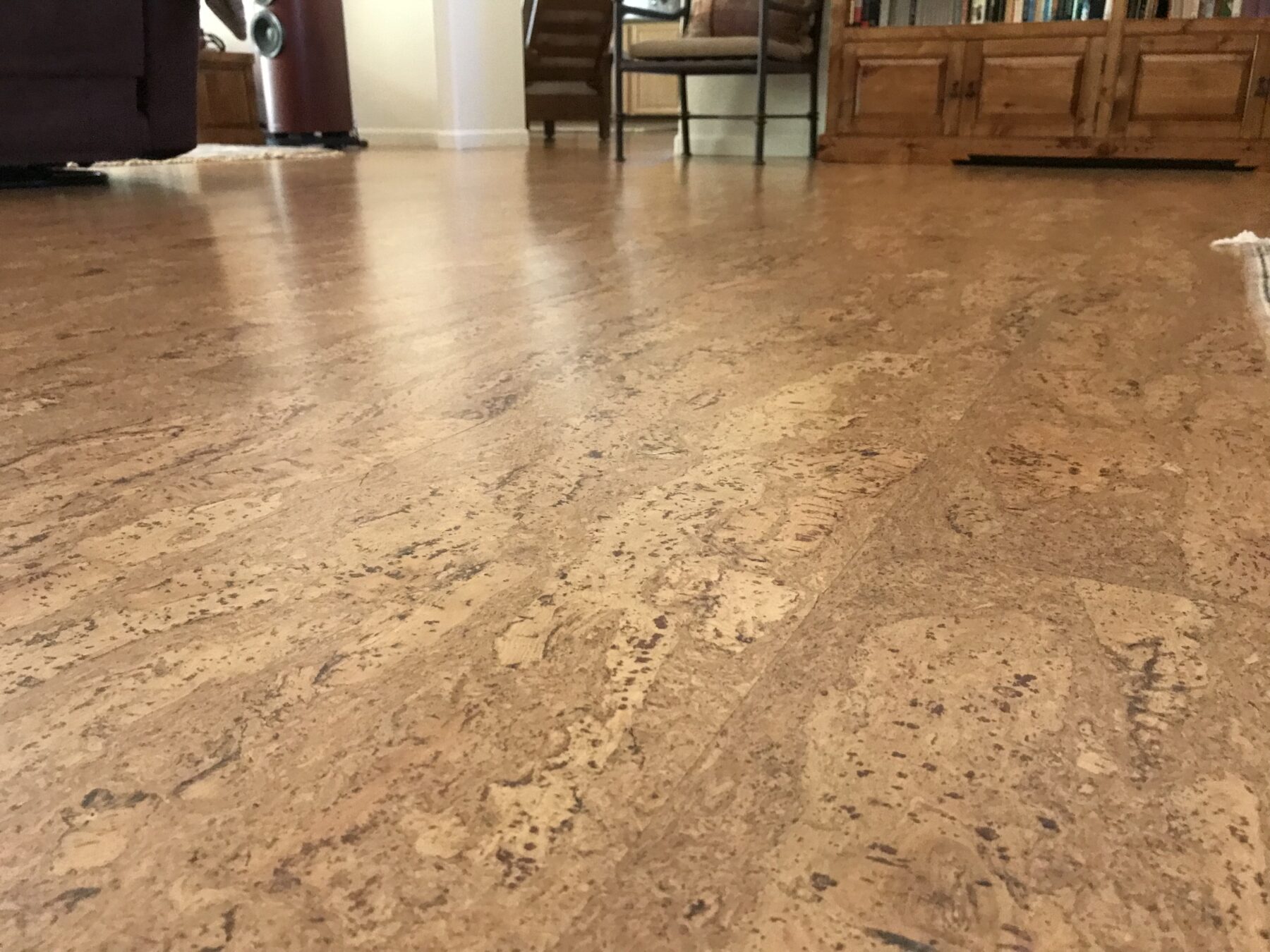
Luckily, there are sustainable, low-emission flooring alternatives such as hardwood, bamboo, cork, and Marmoleum natural linoleum. Wool carpet is another excellent option for those who prefer a softer surface underfoot. Naturally resilient and renewable, wool can be free from synthetic backings, plastic fibers, and chemical treatments commonly found in conventional carpets. It helps regulate humidity, resists soiling naturally, and does not off-gas harmful VOCs, making it one of the healthiest flooring choices available. These materials are more environmentally responsible and emit fewer pollutants than conventional flooring.
Formaldehyde Emissions
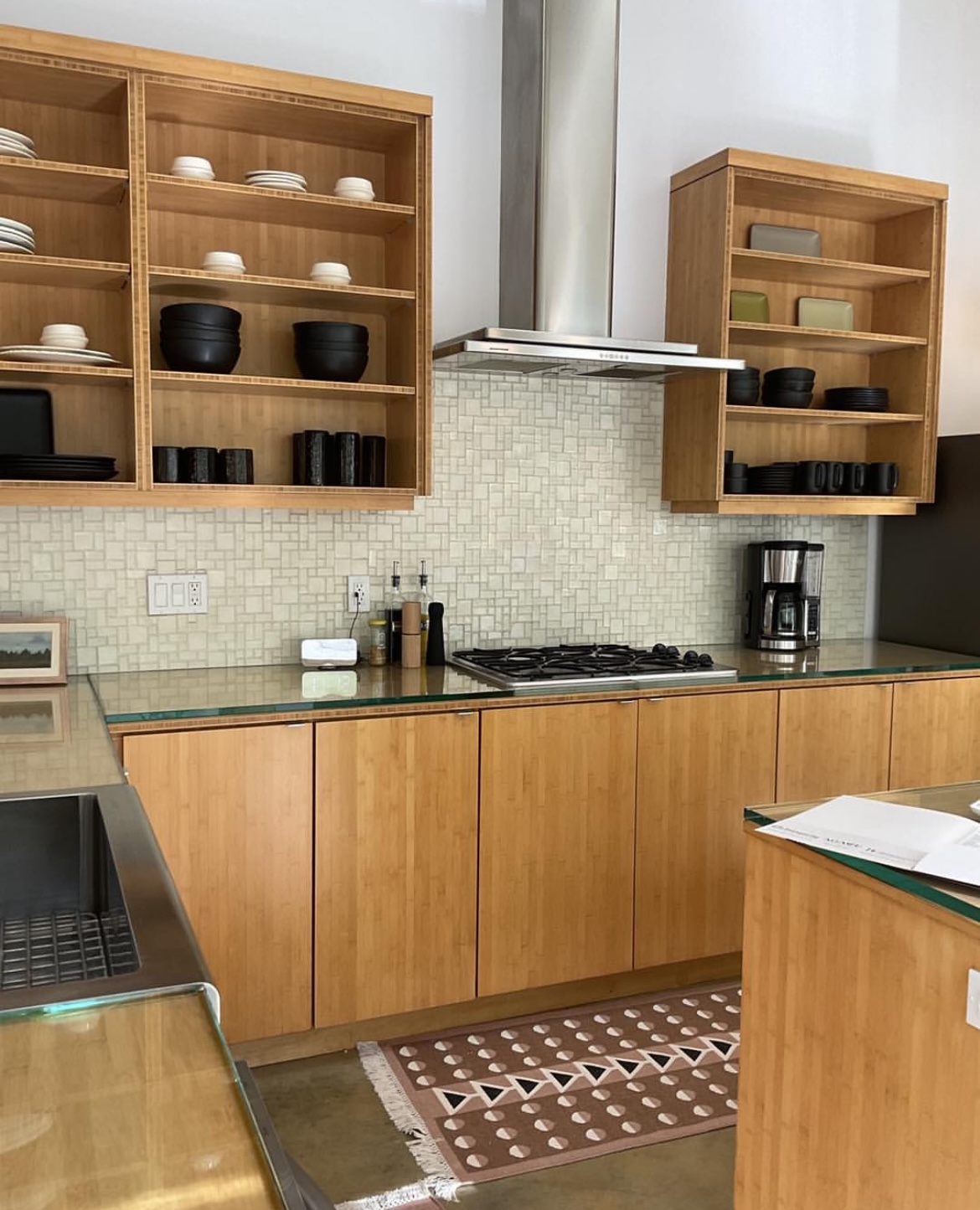
Cabinetry and furniture are another major source of indoor emissions, especially those made from engineered wood products such as MDF, particleboard, and plywood. These are often bonded with urea-formaldehyde adhesives that can off-gas for years after installation. The National Cancer Institute classifies formaldehyde as a known human carcinogen, and the EPA warns that even low-level, long-term exposure can cause respiratory irritation and may increase asthma risk in children.
To eliminate Formaldehyde exposure, look for FSC-certified plywood as well as low-emission panels or formaldehyde-free alternatives (NAUF) to help reduce these pollutants. Avoid pressure treated lumber which has been infused with chemical preservatives under high pressure.
Fabrics and Upholstery
Textiles can be hidden contributors to indoor air pollution, as many fabrics are treated with flame retardants, stain repellents, or PFAS, “forever chemicals” that can persist for years in your home. Chronic exposure to these substances has been linked to hormone disruption, thyroid dysfunction, and developmental effects in children.
Earth Weave Natural Carpet and EnviroTextiles lines use wool and plant-based fibers that are free of harsh chemical treatments and minimize off-gassing while offering high-quality, sustainable design options. Cisco Brothers Furniture, a founding member of the Sustainable Furnishings Council (SFC), also prioritizes healthier materials by using FSC-certified wood, water-based stains, and natural fabrics—helping reduce chemical exposure and support cleaner indoor air.
Building a Healthier, Sustainable Home
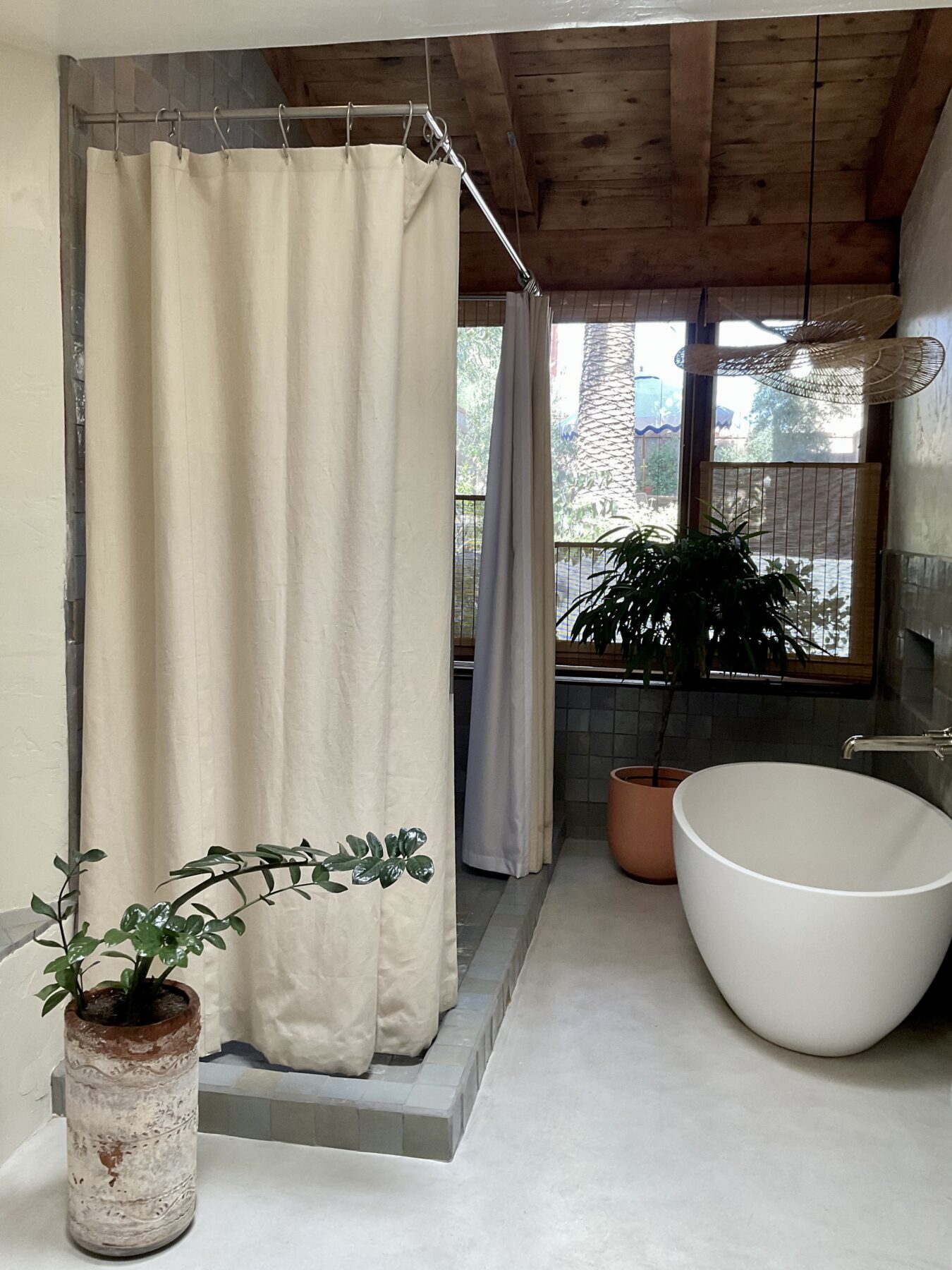
Even moderate indoor pollution can worsen asthma and allergies, cause fatigue, and increase vulnerability to infections. The good news is that cleaner air at home is achievable. Simple practices such as improving ventilation, controlling humidity, and choosing air purifiers with HEPA and activated carbon filters can make a substantial difference. Even adding interior plants to your home or work environment can make a huge difference. However, the greatest long-term impact comes from selecting healthier building materials and finishes from the start. Every material choice, from the paint on your walls to the flooring beneath your feet, plays a role in shaping the air you breathe.
By consciously selecting low-emission, natural, and sustainably sourced products, you are not only designing a more beautiful space but also protecting your family’s long-term health. A healthy home is not just one that looks good; it is one where you can truly breathe easier, sleep better, and live well.